• Access Account
  • Blog
ICFP Logo
  • About
  • Services
    • Our Process
    • Financial Planning
    • Wealth Management
  • Who We Serve
    • Individuals
    • Organizations
    • Foundations & Endowments
    • Advisors
  • Resources
    • FAQ
    • Financial Timeline
    • Blog
  • Contact

Categories

  • Events

Recent Posts

  • 7th Annual Crosstown Classic – Virtual Fundraiser to Benefit Blue Cap September 25, 2020
  • Another Successful (And Delightful!) ICFP Client Appreciation Breakfast
  • Crosstown Classic Event September 21st
  • Crosstown Classic 2017 Photos
  • Crosstown Classic FUNdraiser Coming July 27th!

Independence Capital Financial Partners, LLC

Offices conveniently located in Lombard and Naperville, Illinois.

Office:630-796-6161
Facsimile:630-796-6162
Lombard:555 E Butterfield Rd., Suite 212
Lombard, IL, 60148
Naperville:
By appointment only
1700 Park St., Suite 203
Naperville, IL 60563

Quick Links

  • Access Account
  • Privacy Policy
  • FAQ
  • Blog
  • Contact
  • Cambridge’s Form CRS (Customer Relationship Summary)

Securities offered through Cambridge Investment Research, Inc., a Broker/Dealer, Member FINRA/SIPC to residents of AK, AZ, CA, CO, DC, FL, GA, HI, KS, IA, IL, IN, LA, MA, MI, MN, MO, NC, NJ, NM, NV, NY, OK, OR, SC, SD, TN, TX, VA, WA, WI. Advisory services offered through Cambridge Investment Research Advisors, Inc., a Registered Investment Advisor. Cambridge and Independence Capital Financial Partners, LLC are not affiliated. Cambridge does not offer tax or legal advice.

© Copyright 2025 Independence Capital Financial Partners, LLC

Site by Simple Edge

ICFP FAQ

Loading...

The Power of Markets

Providing A LegacyEstate Planning And Your Family

Now that you have built a legacy, it’s important to think about how to distribute that legacy to the next generation. Thinking ahead can make the difference when it comes to passing down not just assets, but values, to later generations and causes.

Prospering And ProtectingYour Life In Retirement

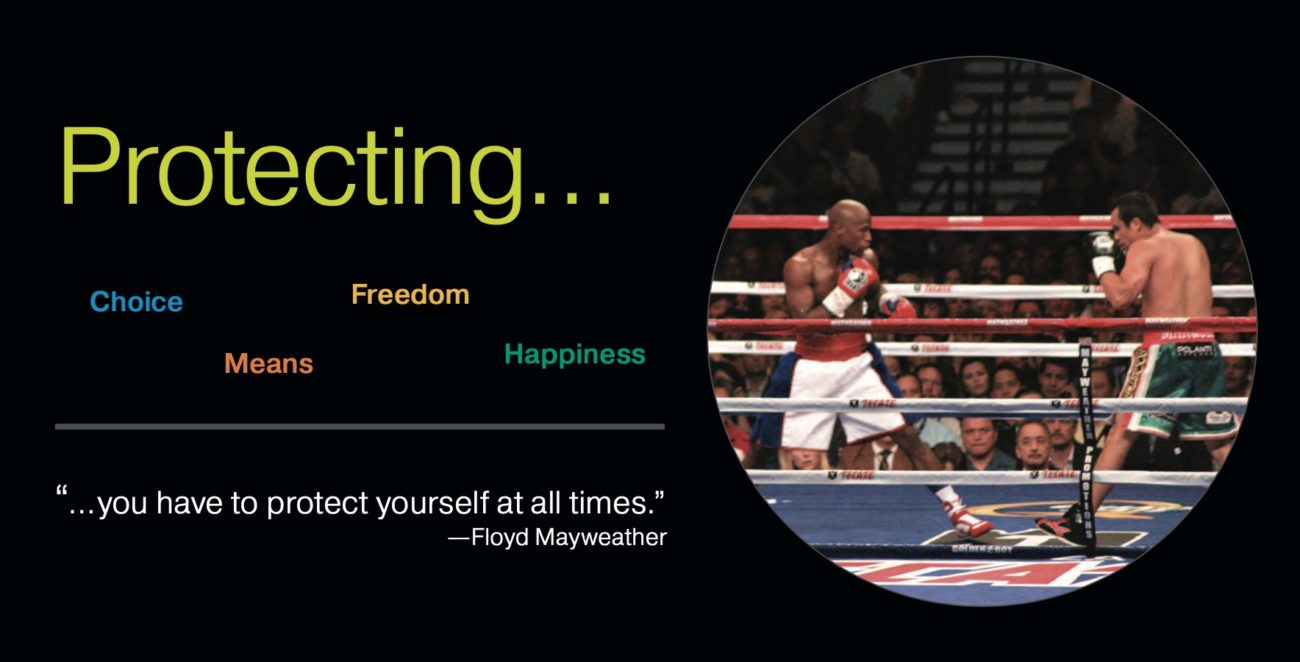
Building financial health is not only about acquiring wealth, it’s also about protecting wealth.
Managing Lifestyle ChangesTransitions And Opportunities

Things to think about:

In your 20’s

  • Fund a Roth IRA
  • Develop a budget and follow it
  • Enroll in your company’s 401(k) plan and contribute at least the minimum needed to qualify for the full employer match.
  • Start an emergency fund with three to six months living expenses.
  • Pay down your debt (e.g. credit cards, student loans)
  • Check your credit report to ensure there are no discrepancies
  • Purchase life insurance and disability income insurance to lock in low rate

In your 30’s

  • Work with an attorney to prepare a will and address other possible estate planning issues
  • Consider buying additional life insurance if you have started a family.
  • Evaluate your investment portfolio to ensure it is properly diversified
  • Create an education funding plan if you have children
  • Increase contributions to your retirement account(s) following raises
  • Aim to make a down payment of 20 percent when buying a home to avoid the cost of mortgage insurance.

In your 40’s

  • Develop specific retirement savings goals
  • Check that the names of beneficiaries/heirs listed on your will, life insurance, financial accounts, and retirement accounts are up to date
  • Assess how your 401(k) plan and IRA assets are invested as your investment objectives may have changed
  • Review life insurance policies to ensure adequate coverage
  • Evaluate your education funding plan based on expected college costs

In your 50’s

  • Evaluate your sources of retirement income, how much to expect from each source, and when to expect it
  • Max out your retirement contributions in your employer-sponsored retirement account, and if applicable, your Roth or traditional IRA
  • Revisit retirement savings goals to ensure they still make sense
  • Check that your estate plan is up to date with personal changes and current laws
  • Confirm that executors and guardians are still properly chosen
  • Consider contributing to a Health Savings Account (HAS) to save for current and future health care costs
  • Invest HAS contributions that are not spent each year to help pay for healthcare in retirement

In your 60’s

  • Decide when you are going to start withdrawing from your retirement accounts
  • Consider rolling over your 401(k) balance into an IRA at retirement to retain tax benefits
  • Review when you can receive your full Social Security benefit
  • Identify your source of health insurance during retirement and what coverage is provided
  • Pay off your mortgage and consumer debt, if applicable

In your 70’s

  • Determine how you would like to be remembered in the form of bequests or gifts to charity
  • Begin taking withdrawals from your traditional IRA by age 70 ½ in order to avoid a large tax penalty
  • Consider downsizing to a smaller home to help reduce property taxes, utility costs, and other expenses
  • Plan for future health care costs by purchasing health benefits from previous employer or a supplemental Medigap policy
  • In the event of a spouse’s death:  Work with your attorney to update your will, living will, and powers of attorney to reflect your new circumstances

Putting Your Money To WorkChallenges And Choices

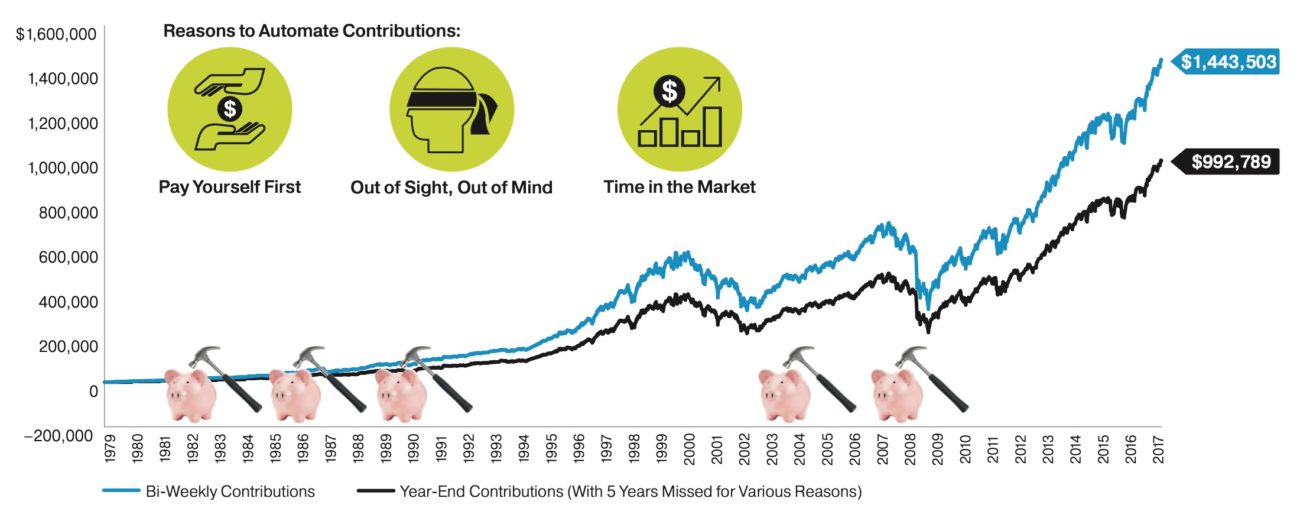
“Good habits, which bring our lower passions and appetites under automatic control, leave our natures free to explore the larger experiences of life. Too many of us divide and dissipate our energies in debating actions which should be taken for granted.” —Ralph W. Sockman
Finding A BalanceFamily, Work, and Self

Wealth is not just financial. It is not only found in bank vaults or investment accounts nor can it be measured in the number of homes or material items possessed. It may sound cliché but for most people it is the quality of family relationships, the human assets that really matter.
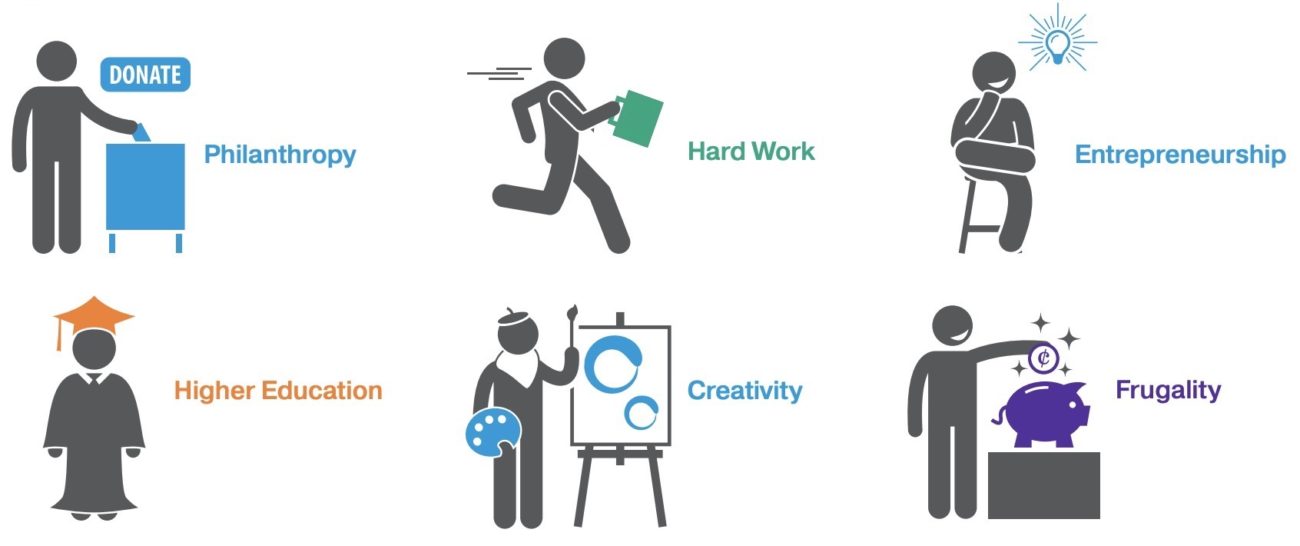
The human assets are the people in our lives. Human assets are also the values and principles that guide our lives and made us who we are today.

They are the unique stories and collective life experiences that formed across generations. Human assets include the skills our family members possess and our family’s collective interpretations of what constitutes happy and fulfilling lives. It is the governance framework used to make decisions that affect the entire family.

Getting Started

Families should set aside money for investment as early and as often as possible.
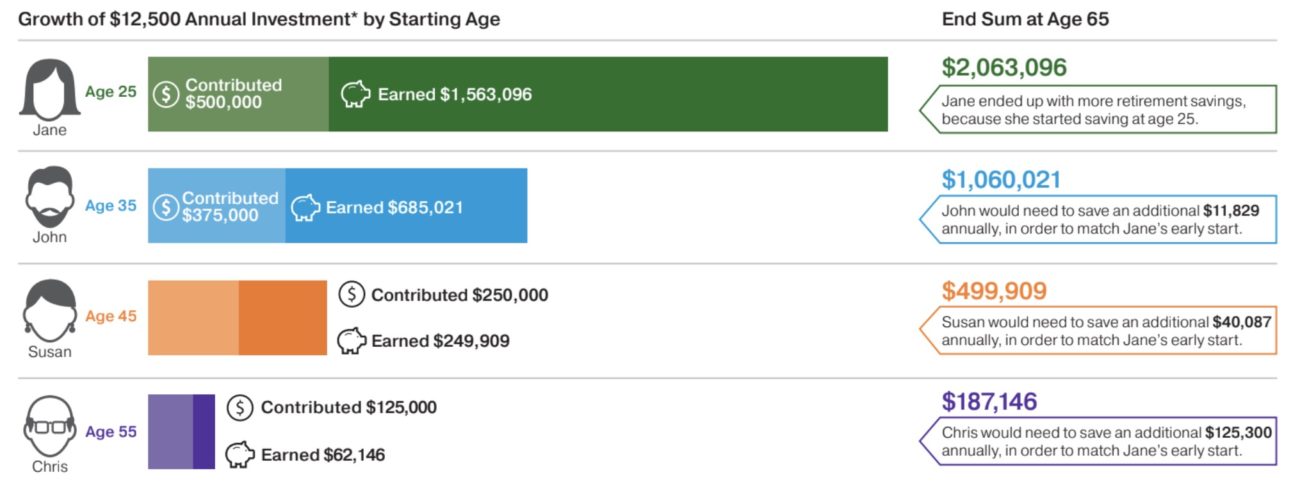
In the above example, we highlight a 25-year old who is investing $12,500 per year in hypothetical investments returning 6% per year. By age 65, our 25-year old will have contributed $500,000 into her investment account but will have earned $1,563,096 in investment returns for an end sum of $2,063,096.

But what if she started later in life? Not only will her total contributions be smaller but her earned returns will be smaller as well. In fact, if she doesn’t start until she is 45 years old then she would have to invest an additional $40,087 per year to catch up to her 25-year-old self.

In short, start young and invest often.